














The puppy5 min read
Socialisation in
puppies
Socialisation is a major topic at the heart of current debates. In an era when all kinds of dog trainers are voicing their opinions, many kennels find themselves being criticised. How can you separate fact from fiction? Where does a breeder's work end and the owner's responsibility begin?
What is good socialisation at the kennel?
Everyone would like to welcome a puppy that is perfectly at ease in every situation – without having to put in any personal effort, of course. First of all, the choice of kennel is very important. Indeed, a puppy's socialisation phase begins in its third week of life. During this period, the little ones begin to explore the world around them. They must therefore have as many positive experiences as possible for their healthy psychological development.
Depending on their age, a breeder will be responsible for adapting the new experiences. For example, they need to be introduced to new types of toys and familiarised with the various everyday noises (vacuum cleaner, lawnmower, car noise, television, etc.). Once the puppies are more at ease moving around, they must start discovering the outdoors! Outings in the garden are therefore a must. These allow the puppies to experience different textures, such as grass or gravel, but also new sounds and sensations such as the wind or the rustling of leaves. Depending on their level of development, the puppies must also be introduced to adult dogs (from the household only, so as not to expose them to potential diseases they are not yet protected against) in order to learn how to handle interactions with other dogs.
This is where the nuance begins. Some mistakes are made both by certain breeders who want to do the right thing and by future families. A puppy is a fragile being that does not have the same antibodies as an adult. During the first hours of life, the mother passes natural antibodies to her young through the colostrum. After that, the puppies' own antibodies keep increasing while the maternal antibodies decrease. As the first vaccination only takes place from 8 weeks of age, a breeder's puppies must not be brought into contact with risky environments before then.
However, the pressure from social media and around socialisation pushes some people to overexpose their puppies to different environments in order to desensitise them. It is therefore not unusual to see puppies under 8 weeks old being taken out and walked in the street or elsewhere “for their socialisation”.
Going on outings like this means exposing an animal to enormous risks, both for itself and for all the brothers and sisters in the litter.
Puppies should therefore not be taken into situations that are dangerous for them under the pretext of socialisation.
What is good socialisation at home?
Once the first vaccination has been given, the puppies start leaving for their new families – that is, you – and this is where your work begins. If you collected your puppy at 8 or 10 weeks, he will normally never, or only very exceptionally, have been for a walk outside the kennel, apart from the trip for his first vaccination.
A puppy's vaccination is only complete once the second dose has been given at three months. Before then, you should avoid places where many dogs gather, which could lead to the transmission of potentially fatal diseases such as parvovirus; don't let them drink from puddles (to be avoided throughout a dog's life), etc. Favour occasional meetings with other dogs and choose the conditions in which you want them to take place.
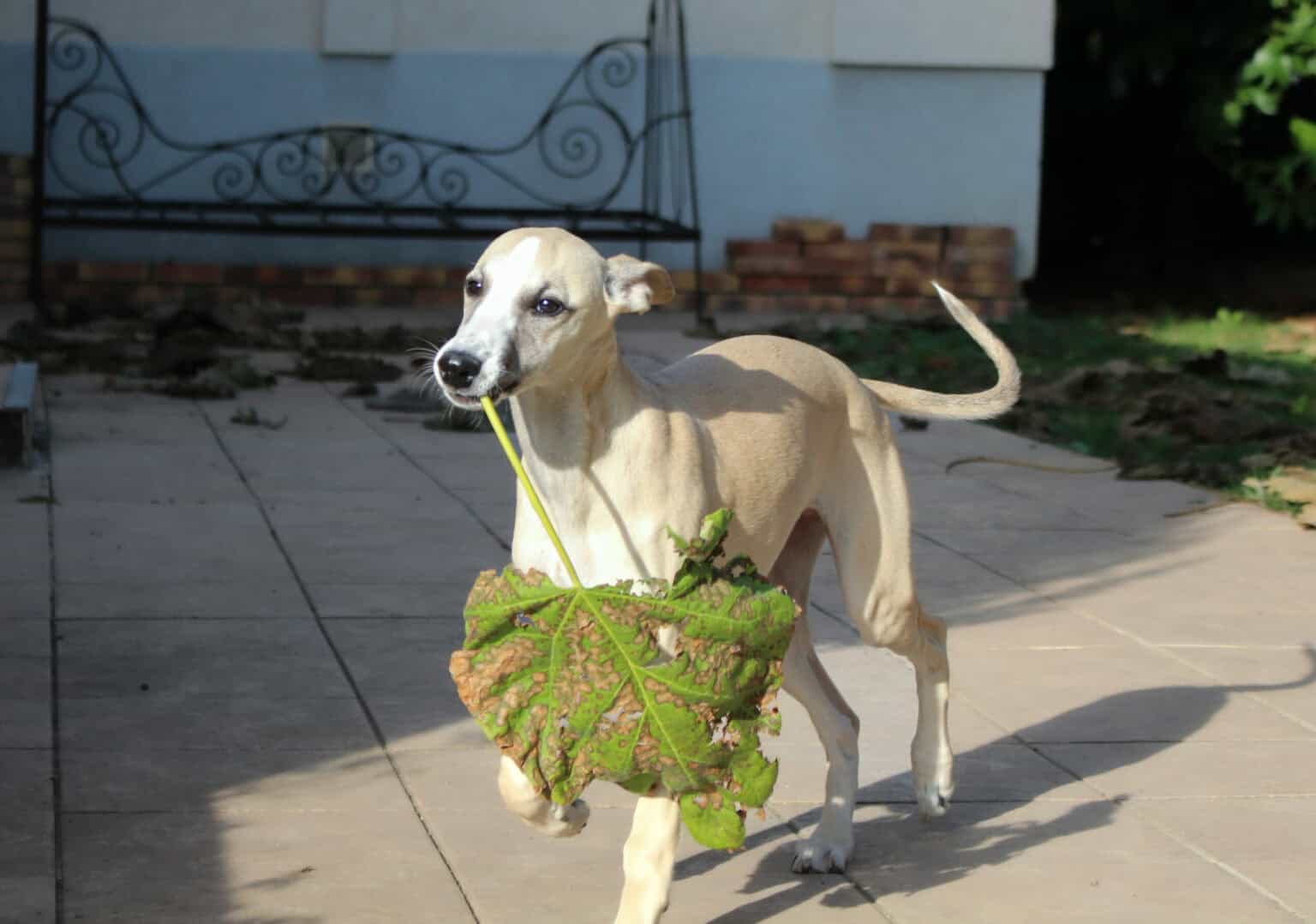
On the other hand, you can quite safely start walking him in the street while keeping an eye on him, introduce him to new people, start teaching him recall, etc. After his second injection, you will need to show him new things such as other types of dogs, parks, the market, etc.
Adapt these discoveries to your puppy's temperament – this is essential for building a great bond between you! Some babies are more reserved, while others will be very curious and enthusiastic about every new thing. If your puppy is shyer, don't panic: simply take things at his pace, without wrapping him in cotton wool.
In summary, what does it all mean?
In short, the breeder is responsible for giving a puppy the best possible start in life by allowing it to have positive experiences suited to its development. For puppies leaving at a young age (between 2 and 3 months), they will have had most of their experiences within the kennel and its immediate surroundings. This is perfectly normal and healthy: the puppies are exposed to the adults of the kennel, such as their mother and then the other dogs, who will have taught them the basics of canine communication, otherwise known as “dog manners”. However, at these ages they will not, or only very rarely, have been out of the kennel, and this is not a problem for the future.
It is up to you to continue your puppy's learning, and you will play a key role from the day he is entrusted to you, through the way you welcome him, your training methods, the outings you take him on, the dogs he meets and everything that follows. Your own fears will also play a big part in your puppy's socialisation. If you don't let him meet big dogs out of fear, your dog will later have the same apprehension as you towards this kind of dog. This principle applies to all types of experiences.
You should also bear in mind that part of a dog's character can be passed on through the line your puppy comes from. Every whippet, and every dog in general, is different. If the kennel and you have done what is needed for good socialisation, there is no particular reason for things to go wrong!
For our part, we will be available to support you as best we can afterwards!


